Learn About Family Chiropractic Approaches to Injury Recovery
Wiki Article
Discovering Spinal Decompression Techniques: What You Need to Know for Better Spine Treatment
Spinal decompression strategies are crucial for individuals experiencing chronic back discomfort or spinal concerns. These methods vary from non-invasive therapies to surgical alternatives, each developed to eliminate pressure on the spine. Comprehending these strategies is necessary for effective spinal column treatment. Nonetheless, not all strategies are appropriate for each problem. The subtleties behind each method warrant better assessment, as they can substantially affect recuperation and overall wellness outcomes. What aspects should one consider prior to choosing?Recognizing Spinal Decompression
Although spinal decompression might sound facility, it fundamentally refers to a selection of methods focused on reducing stress on the spinal cable and surrounding nerves. Top Chiropractor. The spine is a crucial framework that supports the body and protects important neurological pathways. When compression happens, it can result in pain, discomfort, and minimized movement. Comprehending spinal decompression includes identifying the reasons for this pressure, such as herniated discs, spinal stenosis, or injury. By resolving these underlying issues, decompression methods seek to recover proper alignment and feature. This process can involve both non-surgical and surgical techniques, customized to private client needs. The goal is to improve the quality of life by soothing discomfort, enhancing pose, and promoting much better activity. As recognition of spinal health and wellness expands, the significance of understanding spinal decompression comes to be progressively pertinent for those looking for efficient treatment choicesUsual Spinal Decompression Strategies
Spinal decompression methods incorporate an array of methods designed to ease pressure on the back and its connected structures. These techniques can be extensively classified into surgical and non-surgical methods. Non-surgical approaches consist of spinal grip, where mild drawing pressures are applied to the spine, creating area between vertebrae. This can alleviate nerve compression and promote recovery. Chiropractic care modifications additionally drop under this category, concentrating on realigning the spine to improve function.Surgical decompression methods include treatments such as laminectomy, where a section of the vertebra is eliminated to soothe pressure on the spinal cord or nerves. Discectomy, an additional medical option, requires the removal of herniated disc material. Additionally, minimally invasive techniques, like endoscopic discectomy, are obtaining popularity as a result of their reduced healing times. Each method offers a specific objective and may be selected based on specific patient requirements and the severity of their spinal problem.
Advantages of Spinal Decompression
When taking into consideration the different techniques to managing spinal issues, the advantages of spinal decompression strategies become noticeable. These approaches intend to soothe pressure on the spinal discs and nerves, which can relieve discomfort and improve overall spinal health. By creating area between vertebrae, decompression promotes boosted blood circulation and nutrient flow to the impacted locations, promoting healing and recovery.Additionally, spinal decompression can help bring back the all-natural alignment of the spinal column, potentially decreasing the risk of future injuries. Individuals often report enhanced wheelchair and adaptability list below therapy, resulting in an improved top quality of life. Additionally, the decrease in pressure can lessen symptoms associated with conditions such as herniated discs, sciatica, and spinal stenosis, using a non-invasive choice to more intrusive procedures. Overall, spinal decompression techniques provide a variety of physical and healing advantages, making them an important part of substantial back treatment.

That Can Benefit From Spinal Decompression?
Individuals dealing with persistent pain in the back, herniated discs, or spinal constriction may find significant alleviation via spinal decompression methods. This non-invasive treatment can be specifically useful for those experiencing nerve compression signs, such as prickling, pins and needles, or weak point in the arm or legs. Athletes recuperating from injuries or people with degenerative disc disease may additionally consider spinal decompression as a practical alternative for discomfort management and boosted movement.Prospects for spinal decompression often consist of those that have actually not responded well to typical treatments, such as medicines or physical treatment. It can additionally function as a choice for patients seeking to prevent surgical intervention. In general, spinal decompression strategies can give a healing choice for numerous people dealing with spinal concerns, helping them gain back a better of life and useful capacity. Consulting a health care specialist is vital to identify the viability of this therapy for certain conditions.
Factors to consider and Preventative Measures for Spinal Decompression
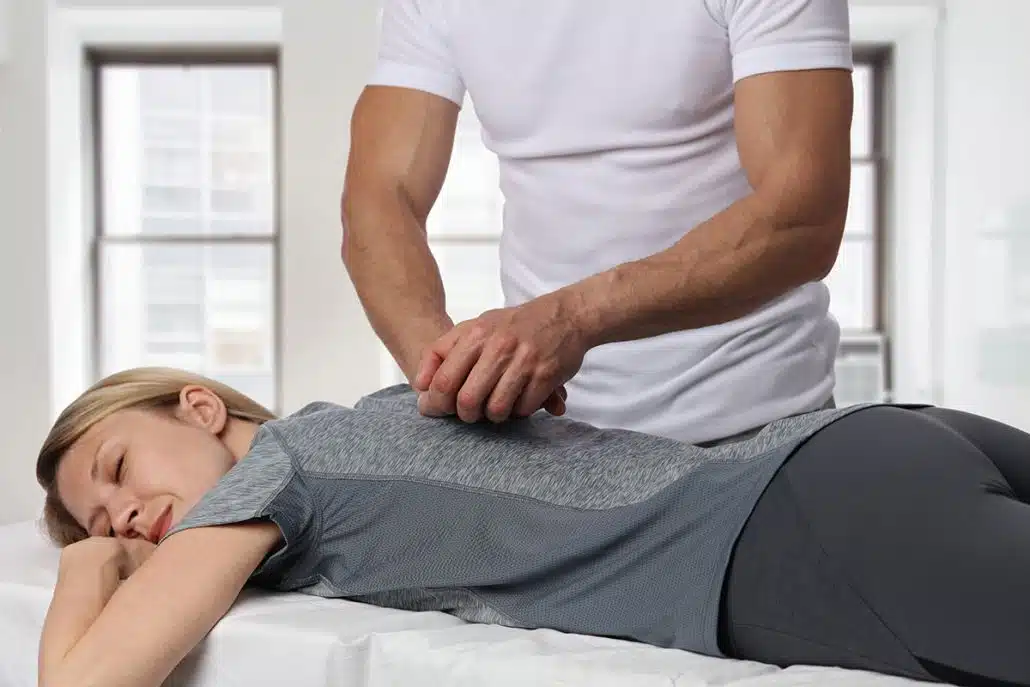
The sort of spinal decompression method-- whether non-surgical or surgical-- need to line up with the person's details problem and total wellness standing. Tracking throughout the treatment is important to deal with any damaging reactions without delay. Clients must also understand that spinal decompression is not a one-size-fits-all solution; a comprehensive treatment strategy may include physical treatment or way of life modifications to support recuperation. Overall, sticking to these safety measures can considerably improve the effectiveness of spinal decompression therapies and promote optimal back health.

Frequently Asked Inquiries
Exactly how Lengthy Does a Regular Spinal Decompression Session Last?
A typical spinal decompression session lasts between 30 to 45 minutes. This duration allows for optimal treatment while making certain advice the client continues to be comfortable and receives appropriate interest to their details spinal issues and requirements.Can Spinal Decompression Be Done at Home?
Spinal decompression can be performed in your home with certain exercises and devices, such as inversion tables or lumbar braces. Consultation with a healthcare professional is suggested to assure security and efficiency in private instances.Is Spinal Decompression Painful?
Spinal decompression is usually not excruciating; however, individuals might experience mild pain or pressure throughout the treatment. Discomfort levels can vary based on the person's problem and the technique utilized for decompression.The Amount Of Procedure Are Usually Needed for Alleviation?
Normally, people might need 6 to 10 sessions of spinal decompression therapy to experience significant alleviation (Back Decompression Therapy). However, the specific number can vary based upon specific problems and actions to treatment, requiring tailored analysis by health care specialistsExist Any Type Of Age Limitations for Spinal Decompression?
There are usually no strict age constraints for spinal decompression therapy. However, suitability may depend on private health conditions and the particular technique utilized, so consultation with a health care specialist is suggested for tailored recommendations.check that Spinal decompression strategies are crucial for individuals experiencing chronic back discomfort or spinal concerns. Spinal decompression may appear complex, it essentially refers to a variety of strategies aimed at alleviating pressure on the spinal cable and surrounding nerves. When considering the different approaches to managing spinal issues, the advantages of spinal decompression strategies come to be evident. People suffering from persistent back pain, herniated discs, or spinal stenosis may locate significant alleviation via spinal decompression strategies. Overall, spinal decompression blog here techniques can offer a healing alternative for different people dealing with spinal concerns, helping them gain back a higher high quality of life and functional capacity.
Report this wiki page